Buy cinéma.be ?
We are moving the project
cinéma.be .
Are you interested in purchasing the domain
cinéma.be ?
domain@kv-gmbh.de · 0541-91531010
Buy cinéma.be ?
What is a fatty acid?
A fatty acid is a type of molecule that is a component of fats and oils. It is made up of a long chain of carbon atoms with a carboxylic acid group at one end. Fatty acids can be saturated, meaning they have no double bonds between the carbon atoms, or unsaturated, meaning they have one or more double bonds. They are essential for the body's energy production, cell membrane structure, and the synthesis of important molecules like hormones. **
Could you please explain the relationship between carboxylic acid, amino acid, and fatty acid?
Carboxylic acids are organic compounds that contain a carboxyl group (-COOH). Amino acids are organic compounds that contain an amino group (-NH2) and a carboxyl group, making them a type of carboxylic acid. Fatty acids are a type of carboxylic acid that have a long hydrocarbon chain attached to the carboxyl group. Therefore, all amino acids are a type of carboxylic acid, and fatty acids are a specific subgroup of carboxylic acids with unique properties due to their long hydrocarbon chains. **

Similar search terms for Fatty acid
Top-Angebote
Products related to Fatty acid:


-
How do soap molecules emulsify a fatty acid molecule?
Soap molecules have a hydrophilic (water-attracting) head and a hydrophobic (water-repelling) tail. When soap is mixed with water and fatty acids, the hydrophobic tails of the soap molecules are attracted to the fatty acid molecules, while the hydrophilic heads are attracted to the water molecules. This arrangement allows the soap molecules to surround the fatty acid molecules, forming micelles. The hydrophobic tails trap the fatty acid molecules in the center of the micelle, while the hydrophilic heads face outward towards the water, effectively emulsifying the fatty acid molecules in the water. **
-
Is the head of a fatty acid polar or nonpolar?
The head of a fatty acid is polar. It contains a carboxyl group, which is a polar functional group due to the electronegativity difference between oxygen and carbon. This polar nature allows fatty acids to interact with other polar molecules such as water. **
-
How does the normal fatty acid cycle of the hair proceed?
The normal fatty acid cycle of the hair begins with the sebaceous glands in the scalp producing sebum, which contains fatty acids. These fatty acids then coat the hair shaft, providing it with moisture and protection. Over time, the fatty acids on the hair are broken down by environmental factors and washing, leading to dryness and damage. The cycle continues as the sebaceous glands produce more sebum to replenish the fatty acids on the hair. Regular conditioning and moisturizing can help support this natural cycle and keep the hair healthy. **
-
What role do photosynthesis, pigment synthesis, amino acid synthesis, and fatty acid synthesis play in plants?
Photosynthesis is the process by which plants convert sunlight into energy, providing them with the necessary nutrients to grow and survive. Pigment synthesis is responsible for the production of pigments like chlorophyll, which are essential for capturing light during photosynthesis. Amino acid synthesis is crucial for building proteins, enzymes, and other essential molecules in plants. Fatty acid synthesis is important for the production of lipids, which are essential for cell membranes and energy storage in plants. Overall, these processes are vital for the growth, development, and overall functioning of plants. **


Can you formulate the structural formula of this omega-3 fatty acid?
I'm sorry, but I cannot provide the structural formula of the omega-3 fatty acid without more specific information. There are several different omega-3 fatty acids, such as alpha-linolenic acid (ALA), eicosapentaenoic acid (EPA), and docosahexaenoic acid (DHA), each with its own unique structural formula. If you have a specific omega-3 fatty acid in mind, please provide its name or chemical structure, and I can help you formulate its structural formula. **
What is food-grade fatty acid mono- and diglycerides made of exactly?
Food-grade fatty acid mono- and diglycerides are typically made from a combination of fatty acids derived from vegetable oils such as soybean, palm, or sunflower oil. These fatty acids are then combined with glycerol to form mono- and diglycerides, which are commonly used as emulsifiers in food products. The specific composition of these mono- and diglycerides can vary depending on the source of the fatty acids used in their production. **
Top-Angebote
Products related to Fatty acid:
-
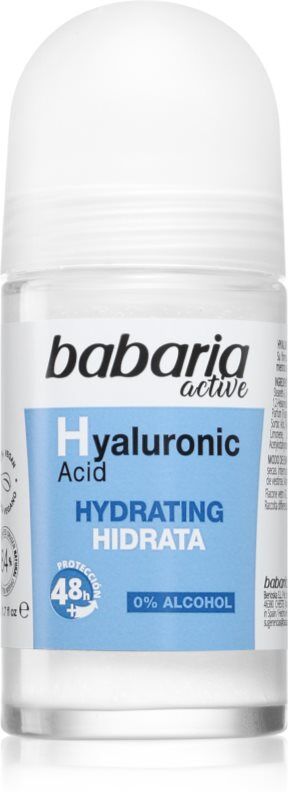
Babaria Hyaluronic Acid déodorant roll-on 50 mlBabaria Hyaluronic Acid, 50 ml, Déodorants pour femme, Le déodorant Babaria Hyaluronic Acid lutte efficacement contre les mauvaises odeurs et vous apporte une sensation de confort et de fraîcheur qui dure. Le produit : protège contre les mauvaises odeurs apporte de la fraîcheur offre une protection de longue durée ne laisse pas de taches sur les vêtements n’irrite pas la peau assure une sensation de fraîcheur qui perdure ne bloque pas les processus naturels du corps rafraîchit agréablement Composition du produit : sans alcool Mode d’emploi : Appliquez sur des aisselles propres et sèches. Adapté pour un usage quotidien.2,16 €*Shipping: 3,45 €Secure redirect to the provider
-
What is a fatty acid?
A fatty acid is a type of molecule that is a component of fats and oils. It is made up of a long chain of carbon atoms with a carboxylic acid group at one end. Fatty acids can be saturated, meaning they have no double bonds between the carbon atoms, or unsaturated, meaning they have one or more double bonds. They are essential for the body's energy production, cell membrane structure, and the synthesis of important molecules like hormones. **
-
Could you please explain the relationship between carboxylic acid, amino acid, and fatty acid?
Carboxylic acids are organic compounds that contain a carboxyl group (-COOH). Amino acids are organic compounds that contain an amino group (-NH2) and a carboxyl group, making them a type of carboxylic acid. Fatty acids are a type of carboxylic acid that have a long hydrocarbon chain attached to the carboxyl group. Therefore, all amino acids are a type of carboxylic acid, and fatty acids are a specific subgroup of carboxylic acids with unique properties due to their long hydrocarbon chains. **
-
How do soap molecules emulsify a fatty acid molecule?
Soap molecules have a hydrophilic (water-attracting) head and a hydrophobic (water-repelling) tail. When soap is mixed with water and fatty acids, the hydrophobic tails of the soap molecules are attracted to the fatty acid molecules, while the hydrophilic heads are attracted to the water molecules. This arrangement allows the soap molecules to surround the fatty acid molecules, forming micelles. The hydrophobic tails trap the fatty acid molecules in the center of the micelle, while the hydrophilic heads face outward towards the water, effectively emulsifying the fatty acid molecules in the water. **
-
Is the head of a fatty acid polar or nonpolar?
The head of a fatty acid is polar. It contains a carboxyl group, which is a polar functional group due to the electronegativity difference between oxygen and carbon. This polar nature allows fatty acids to interact with other polar molecules such as water. **
Similar search terms for Fatty acid
-
How does the normal fatty acid cycle of the hair proceed?
The normal fatty acid cycle of the hair begins with the sebaceous glands in the scalp producing sebum, which contains fatty acids. These fatty acids then coat the hair shaft, providing it with moisture and protection. Over time, the fatty acids on the hair are broken down by environmental factors and washing, leading to dryness and damage. The cycle continues as the sebaceous glands produce more sebum to replenish the fatty acids on the hair. Regular conditioning and moisturizing can help support this natural cycle and keep the hair healthy. **
-
What role do photosynthesis, pigment synthesis, amino acid synthesis, and fatty acid synthesis play in plants?
Photosynthesis is the process by which plants convert sunlight into energy, providing them with the necessary nutrients to grow and survive. Pigment synthesis is responsible for the production of pigments like chlorophyll, which are essential for capturing light during photosynthesis. Amino acid synthesis is crucial for building proteins, enzymes, and other essential molecules in plants. Fatty acid synthesis is important for the production of lipids, which are essential for cell membranes and energy storage in plants. Overall, these processes are vital for the growth, development, and overall functioning of plants. **
-
Can you formulate the structural formula of this omega-3 fatty acid?
I'm sorry, but I cannot provide the structural formula of the omega-3 fatty acid without more specific information. There are several different omega-3 fatty acids, such as alpha-linolenic acid (ALA), eicosapentaenoic acid (EPA), and docosahexaenoic acid (DHA), each with its own unique structural formula. If you have a specific omega-3 fatty acid in mind, please provide its name or chemical structure, and I can help you formulate its structural formula. **
-
What is food-grade fatty acid mono- and diglycerides made of exactly?
Food-grade fatty acid mono- and diglycerides are typically made from a combination of fatty acids derived from vegetable oils such as soybean, palm, or sunflower oil. These fatty acids are then combined with glycerol to form mono- and diglycerides, which are commonly used as emulsifiers in food products. The specific composition of these mono- and diglycerides can vary depending on the source of the fatty acids used in their production. **
* All prices are inclusive of VAT and, if applicable, plus shipping costs. The offer information is based on the details provided by the respective shop and is updated through automated processes. Real-time updates do not occur, so deviations can occur in individual cases. ** Note: Parts of this content were created by AI.